This post is only available to members.
CMFAS Module 1A Quiz 03
How and Why to Use the Pomodoro Timer:
Studies show that the average human concentration span for focused study is around 25 minutes. Beyond that, you will start to lose focus. The most effective study method is to work for 25 minutes, followed by a 5-minute break, then start another 25-minute study session. This technique is called the Pomodoro Method.
We have created this Pomodoro timer to help you study effectively. Before starting your study session, simply click the Start button to begin your 25-minute focused work period. When the timer ends, take a 5-minute break before starting your next session.
Not sure about an answer?
Please submit your questions/ feedback to the quizzes here. Our exam team will review and revert accordingly.
You are not authorized to view this content.
Your Dedicated Account Manager
 Hi there, Dario here. Your dedicated account manager. Thank you again for taking a leap of faith and investing in yourself today. I will be shooting you some emails about study tips and how to prepare for the exam and maximize the study efficiency with CMFASExam. You will also find a support feedback board below where you can send us feedback anytime if you have any uncertainty about the questions you encounter. Remember, practice makes perfect. Please take all our practice questions at least 2 times to yield a higher chance to pass the exam
Email: [email protected]
Important Notes
- The account can only be accessed by one person at a time. Multiple users attempting to access it will result in auto system lockout.
- You are encouraged to take all the practice tests at least three times. The best way to study is to read the official manual once quickly, without worrying about memorizing the content, and then take our practice questions.
- Your account will be automatically granted a 10% discount during the checkout process.
How To Maximize Your Study Efficiency?
You are recommended to read the official study notes from IBF once and start doing our practice questions. When you first read the study notes, you do not need to worry about memorizing the content. It helps you develop a holistic view of the exam concepts.
After completing all the questions, please read the official study notes once again. Based on our experience, the combination of the study manual and the practice questions is the most effective for studying efficiently.
Holistic Coverage & Reinforcing Your Memories
The breadth of the exam does not solely adhere to the official study manual. In fact, it serves merely as an indication of the topics and an outline of what will be tested in the real exam. From our experience, the official study manual provided by the official organization is useful but cannot guarantee coverage of all possible concepts. Hence, we provide additional materials in our practice questions to help candidates prepare more comprehensively. If you encounter concepts that you might not be familiar with, there’s nothing to worry about; it’s natural, and that’s the point of doing practice questions.
Our system also leverages the power of repetitive learning to reinforce your brain’s memories. We test similar concepts from different angles to help you remember the key concepts better, thus facilitating the transition of short-term memories into long-term ones.
Renew Your Access With 10% Discount
Private Banking Exams (CACS Paper 1, CACS Paper 2)
CMFAS Exam Client Advisor Competency Standards (CACS) Paper 1
- Unlimited Logins & Devices
- Study Anywhere
- Key Study Notes
- 3 Hours of Video Study Notes
- Final Practice Questions (Estimate Results)
- Dedicated Account Manager
- 2190 Practice Questions
- One-Year Risk-Free "Until-You-Pass" Guarantee
Newly Updated: 30 November 2025
One-time payment, No Recurring Fees
CMFAS Exam Client Advisor Competency Standards (CACS) Paper 2
- Unlimited Logins & Devices
- Study Anywhere
- Key Study Notes
- 3 Hours of Video Study Notes
- Final Practice Questions (Estimate Results)
- Dedicated Account Manager
- 2040 Practice Questions
- One-Year Risk-Free "Until-You-Pass" Guarantee
Newly Updated: 19 December 2025
One-time payment, No Recurring Fees
Insurance & Financial Adviser Exams (M5, M8, M8A, M9, M9A, HI, BCP, PGI, ComGI, Reinsurance, RES 5, CM CIS, CM LIC, CM LIP, SCI CGI)
CM CIS (M8 + M8A) - Collective Investment Schemes
- Unlimited Logins & Devices
- Study Anywhere
- Key Study Notes
- 3 Hours of Video Study Notes
- Final Practice Questions (Estimate Results)
- Dedicated Account Manager
- 2480 Practice Questions
- One-Year Risk-Free "Until-You-Pass" Guarantee
Newly Updated: 13 December 2025
One-time payment, No Recurring Fees
CM LIC (M8 + M8A + M9 + M9A) - Life Insurance, Investmentlinked Policies and Collective Investment Schemes
- Unlimited Logins & Devices
- Study Anywhere
- Key Study Notes
- 3 Hours of Video Study Notes
- Final Practice Questions (Estimate Results)
- Dedicated Account Manager
- 5030 Practice Questions
- One-Year Risk-Free "Until-You-Pass" Guarantee
Newly Updated: 04 December 2025
One-time payment, No Recurring Fees
CM LIP (M9 + M9A) - Life Insurance and Investmentlinked Policies
- Unlimited Logins & Devices
- Study Anywhere
- Key Study Notes
- 3 Hours of Video Study Notes
- Final Practice Questions (Estimate Results)
- Dedicated Account Manager
- 2460 Practice Questions
- One-Year Risk-Free "Until-You-Pass" Guarantee
Newly Updated: 11 December 2025
One-time payment, No Recurring Fees
CMFAS Exam Certificate In Reinsurance
- Unlimited Logins & Devices
- Study Anywhere
- Key Study Notes
- 3 Hours of Video Study Notes
- Final Practice Questions (Estimate Results)
- Dedicated Account Manager
- 2400 Practice Questions
- One-Year Risk-Free "Until-You-Pass" Guarantee
Newly Updated: 06 December 2025
One-time payment, No Recurring Fees
CMFAS Health Insurance (HI) Exam
- Unlimited Logins & Devices
- Study Anywhere
- Key Study Notes
- 3 Hours of Video Study Notes
- Final Practice Questions (Estimate Results)
- Dedicated Account Manager
- 2300 Practice Questions
- One-Year Risk-Free "Until-You-Pass" Guarantee
Newly Updated: 30 November 2025
One-time payment, No Recurring Fees
CMFAS Module 8 (M8) - Collective Investment Schemes
- Unlimited Logins & Devices
- Study Anywhere
- Key Study Notes
- 3 Hours of Video Study Notes
- Final Practice Questions (Estimate Results)
- Dedicated Account Manager
- 2100 Practice Questions
- One-Year Risk-Free "Until-You-Pass" Guarantee
Newly Updated: 18 December 2025
One-time payment, No Recurring Fees
CMFAS Module 8A (M8A) - Collective Investment Schemes II
- Unlimited Logins & Devices
- Study Anywhere
- Key Study Notes
- 3 Hours of Video Study Notes
- Final Practice Questions (Estimate Results)
- Dedicated Account Manager
- 2700 Practice Questions
- One-Year Risk-Free "Until-You-Pass" Guarantee
Newly Updated: 12 December 2025
One-time payment, No Recurring Fees
CMFAS Module 9 (M9) - Life Insurance And Investment-Linked Policies
- Unlimited Logins & Devices
- Study Anywhere
- Key Study Notes
- 3 Hours of Video Study Notes
- Final Practice Questions (Estimate Results)
- Dedicated Account Manager
- 2850 Practice Questions
- One-Year Risk-Free "Until-You-Pass" Guarantee
Newly Updated: 01 December 2025
One-time payment, No Recurring Fees
CMFAS Module 9a (M9a) - Life Insurance And Investment-Linked Policies II
- Unlimited Logins & Devices
- Study Anywhere
- Key Study Notes
- 3 Hours of Video Study Notes
- Final Practice Questions (Estimate Results)
- Dedicated Account Manager
- 2790 Practice Questions
- One-Year Risk-Free "Until-You-Pass" Guarantee
Newly Updated: 06 December 2025
One-time payment, No Recurring Fees
CMFAS Personal General Insurance (PGI) Exam
- Unlimited Logins & Devices
- Study Anywhere
- Key Study Notes
- 3 Hours of Video Study Notes
- Final Practice Questions (Estimate Results)
- Dedicated Account Manager
- 2300 Practice Questions
- One-Year Risk-Free "Until-You-Pass" Guarantee
Newly Updated: 11 December 2025
One-time payment, No Recurring Fees
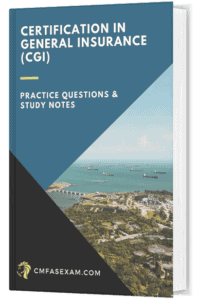
CMFAS SCI CGI Exam Certification in General Insurance (BCP, PGI & ComGI)
- Unlimited Logins & Devices
- Study Anywhere
- Key Study Notes
- 3 Hours of Video Study Notes
- Final Practice Questions (Estimate Results)
- Dedicated Account Manager
- 2400 Practice Questions
- One-Year Risk-Free "Until-You-Pass" Guarantee
Newly Updated: 01 December 2025
One-time payment, No Recurring Fees
ComGI Exam
- Unlimited Logins & Devices
- Study Anywhere
- Key Study Notes
- 3 Hours of Video Study Notes
- Final Practice Questions (Estimate Results)
- Dedicated Account Manager
- 2480 Practice Questions
- One-Year Risk-Free "Until-You-Pass" Guarantee
One-time payment, No Recurring Fees
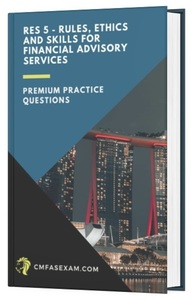
RES 5 - Rules, Ethics And Skills For Financial Advisory Services
- Unlimited Logins & Devices
- Study Anywhere
- Key Study Notes
- 3 Hours of Video Study Notes
- Final Practice Questions (Estimate Results)
- Dedicated Account Manager
- 3660 Practice Questions
- One-Year Risk-Free "Until-You-Pass" Guarantee
Newly Updated: 21 December 2025
One-time payment, No Recurring Fees
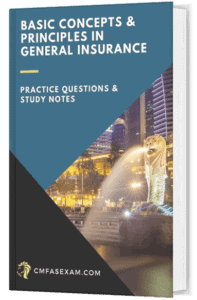
SCI BCP Basic Concepts & Principles In General Insurance
- Unlimited Logins & Devices
- Study Anywhere
- Key Study Notes
- 3 Hours of Video Study Notes
- Final Practice Questions (Estimate Results)
- Dedicated Account Manager
- 2400 Practice Questions
- One-Year Risk-Free "Until-You-Pass" Guarantee
Newly Updated: 19 December 2025
One-time payment, No Recurring Fees
Stockbroking & Trading Exams (CM-CMP, CM-EIP, CM-SIP, FMRP, RES 1A, RES 1B, RES 1BE1, RES 12B, RES 2A, RES 2B, RES 2BE1, RES 2BE2, RES 2BE3)
CM-CMP - Capital Markets - Securities, Derivatives, Collective Investment Schemes and Foreign Exchange
- Unlimited Logins & Devices
- Study Anywhere
- Key Study Notes
- 3 Hours of Video Study Notes
- Final Practice Questions (Estimate Results)
- Dedicated Account Manager
- 2800 Practice Questions
- One-Year Risk-Free "Until-You-Pass" Guarantee
Newly Updated: 17 December 2025
One-time payment, No Recurring Fees
CM-EIP - Capital Markets - Excluded Investment Products - Securities, Collective Investment Schemes (EIP) and Foreign Exchange
- Unlimited Logins & Devices
- Study Anywhere
- Key Study Notes
- 3 Hours of Video Study Notes
- Final Practice Questions (Estimate Results)
- Dedicated Account Manager
- 2400 Practice Questions
- One-Year Risk-Free "Until-You-Pass" Guarantee
Newly Updated: 12 December 2025
One-time payment, No Recurring Fees
CM-SIP - Capital Markets - Specified Investment Products - Derivatives and Collective Investment Schemes (SIP)
- Unlimited Logins & Devices
- Study Anywhere
- Key Study Notes
- 3 Hours of Video Study Notes
- Final Practice Questions (Estimate Results)
- Dedicated Account Manager
- 2190 Practice Questions
- One-Year Risk-Free "Until-You-Pass" Guarantee
Newly Updated: 10 December 2025
One-time payment, No Recurring Fees
CMFAS Financial Markets Regulatory Practices (FMRP)
- Unlimited Logins & Devices
- Study Anywhere
- Key Study Notes
- 3 Hours of Video Study Notes
- Final Practice Questions (Estimate Results)
- Dedicated Account Manager
- 3130 Practice Questions
- One-Year Risk-Free "Until-You-Pass" Guarantee
Newly Updated: 21 December 2025
One-time payment, No Recurring Fees
RES 12B - Rules, Ethics and Skills for Securities and Derivatives Dealers of Non-Exchange Members
- Unlimited Logins & Devices
- Study Anywhere
- Key Study Notes
- 3 Hours of Video Study Notes
- Final Practice Questions (Estimate Results)
- Dedicated Account Manager
- 1800 Practice Questions
- One-Year Risk-Free "Until-You-Pass" Guarantee
Newly Updated: 05 December 2025
One-time payment, No Recurring Fees
RES 1A - Rules, Ethics and Skills for Securities Exchange Dealers
- Unlimited Logins & Devices
- Study Anywhere
- Key Study Notes
- 3 Hours of Video Study Notes
- Final Practice Questions (Estimate Results)
- Dedicated Account Manager
- 2000+ Practice Questions
- One-Year Risk-Free "Until-You-Pass" Guarantee
Newly Updated: 11 December 2025
One-time payment, No Recurring Fees
RES 1B - Rules, Ethics and Skills for Securities Dealers of Non-Exchange Members
- Unlimited Logins & Devices
- Study Anywhere
- Key Study Notes
- 3 Hours of Video Study Notes
- Final Practice Questions (Estimate Results)
- Dedicated Account Manager
- 2900 Practice Questions
- One-Year Risk-Free "Until-You-Pass" Guarantee
Newly Updated: 15 December 2025
One-time payment, No Recurring Fees
RES 1BE1 - Add-on Module for Singapore Exchange - Securities Trading Limited
- Unlimited Logins & Devices
- Study Anywhere
- Key Study Notes
- 3 Hours of Video Study Notes
- Final Practice Questions (Estimate Results)
- Dedicated Account Manager
- 2850 Practice Questions
- One-Year Risk-Free "Until-You-Pass" Guarantee
Newly Updated: 15 December 2025
One-time payment, No Recurring Fees
RES 2A - Rules, Ethics and Skills for Derivatives Exchange Dealers
- Unlimited Logins & Devices
- Study Anywhere
- Key Study Notes
- 3 Hours of Video Study Notes
- Final Practice Questions (Estimate Results)
- Dedicated Account Manager
- 2700 Practice Questions
- One-Year Risk-Free "Until-You-Pass" Guarantee
Newly Updated: 09 December 2025
One-time payment, No Recurring Fees
RES 2B - Rules, Ethics and Skills for Derivatives Dealers of Non-Exchange Members
- Unlimited Logins & Devices
- Study Anywhere
- Key Study Notes
- 3 Hours of Video Study Notes
- Final Practice Questions (Estimate Results)
- Dedicated Account Manager
- 2850 Practice Questions
- One-Year Risk-Free "Until-You-Pass" Guarantee
Newly Updated: 09 December 2025
One-time payment, No Recurring Fees
RES 2BE1 - Add-on Module for Singapore Exchange - Derivatives Trading Limited
- Unlimited Logins & Devices
- Study Anywhere
- Key Study Notes
- 3 Hours of Video Study Notes
- Final Practice Questions (Estimate Results)
- Dedicated Account Manager
- 2480 Practice Questions
- One-Year Risk-Free "Until-You-Pass" Guarantee
Newly Updated: 15 December 2025
One-time payment, No Recurring Fees
RES 2BE2 - Add-on Module for ICE Futures Singapore
- Unlimited Logins & Devices
- Study Anywhere
- Key Study Notes
- 3 Hours of Video Study Notes
- Final Practice Questions (Estimate Results)
- Dedicated Account Manager
- 2850 Practice Questions
- One-Year Risk-Free "Until-You-Pass" Guarantee
Newly Updated: 07 December 2025
One-time payment, No Recurring Fees
RES 2BE3 - Add-on Module for Asia Pacific Exchange (APEX)
- Unlimited Logins & Devices
- Study Anywhere
- Key Study Notes
- 3 Hours of Video Study Notes
- Final Practice Questions (Estimate Results)
- Dedicated Account Manager
- 2850 Practice Questions
- One-Year Risk-Free "Until-You-Pass" Guarantee
Newly Updated: 14 December 2025
One-time payment, No Recurring Fees
Advanced Wealth Certifications (ChFC01, ChFC02, ChFC03, ChFC04, ChFC05, ChFC06, ChFC07, ChFC08, ChFC09, CLU, ADGIRM, DGIRM, DLI, DPFP, DPFP05E)
ADGIRM ADVANCED DIPLOMA IN GENERAL INSURANCE AND RISK MANAGEMENT
- Unlimited Logins & Devices
- Study Anywhere
- Key Study Notes
- 3 Hours of Video Study Notes
- Final Practice Questions (Estimate Results)
- Dedicated Account Manager
- 2400 Practice Questions
- One-Year Risk-Free "Until-You-Pass" Guarantee
Newly Updated: 14 December 2025
One-time payment, No Recurring Fees
ChFC CHARTERED FINANCIAL CONSULTANT
- Unlimited Logins & Devices
- Study Anywhere
- Key Study Notes
- 3 Hours of Video Study Notes
- Final Practice Questions (Estimate Results)
- Dedicated Account Manager
- 3630 Practice Questions
- One-Year Risk-Free "Until-You-Pass" Guarantee
Newly Updated: 13 December 2025
One-time payment, No Recurring Fees
ChFC01/DPFP01 Financial Planning: Process and Environment
- Unlimited Logins & Devices
- Study Anywhere
- Key Study Notes
- 3 Hours of Video Study Notes
- Final Practice Questions (Estimate Results)
- Dedicated Account Manager
- 2480 Practice Questions
- One-Year Risk-Free "Until-You-Pass" Guarantee
One-time payment, No Recurring Fees
ChFC02/DPFP02 Risk Management, Insurance and Retirement Planning
- Unlimited Logins & Devices
- Study Anywhere
- Key Study Notes
- 3 Hours of Video Study Notes
- Final Practice Questions (Estimate Results)
- Dedicated Account Manager
- 2480 Practice Questions
- One-Year Risk-Free "Until-You-Pass" Guarantee
One-time payment, No Recurring Fees
ChFC03/DPFP03 Tax, Estate Planning and Legal Aspects of Financial Planning
- Unlimited Logins & Devices
- Study Anywhere
- Key Study Notes
- 3 Hours of Video Study Notes
- Final Practice Questions (Estimate Results)
- Dedicated Account Manager
- 2480 Practice Questions
- One-Year Risk-Free "Until-You-Pass" Guarantee
One-time payment, No Recurring Fees
ChFC04/DPFP04 Investment Planning
- Unlimited Logins & Devices
- Study Anywhere
- Key Study Notes
- 3 Hours of Video Study Notes
- Final Practice Questions (Estimate Results)
- Dedicated Account Manager
- 2480 Practice Questions
- One-Year Risk-Free "Until-You-Pass" Guarantee
One-time payment, No Recurring Fees
ChFC05/DPFP05 Personal Financial Plan Construction
- Unlimited Logins & Devices
- Study Anywhere
- Key Study Notes
- 3 Hours of Video Study Notes
- Final Practice Questions (Estimate Results)
- Dedicated Account Manager
- 2480 Practice Questions
- One-Year Risk-Free "Until-You-Pass" Guarantee
One-time payment, No Recurring Fees
ChFC06 Planning for Business Owners and Professionals
- Unlimited Logins & Devices
- Study Anywhere
- Key Study Notes
- 3 Hours of Video Study Notes
- Final Practice Questions (Estimate Results)
- Dedicated Account Manager
- 2480 Practice Questions
- One-Year Risk-Free "Until-You-Pass" Guarantee
One-time payment, No Recurring Fees
ChFC07 Wealth Management and Financial Planning
- Unlimited Logins & Devices
- Study Anywhere
- Key Study Notes
- 3 Hours of Video Study Notes
- Final Practice Questions (Estimate Results)
- Dedicated Account Manager
- 2480 Practice Questions
- One-Year Risk-Free "Until-You-Pass" Guarantee
One-time payment, No Recurring Fees
ChFC08 Financial Planning Applications Practicum Assessment
- Unlimited Logins & Devices
- Study Anywhere
- Key Study Notes
- 3 Hours of Video Study Notes
- Final Practice Questions (Estimate Results)
- Dedicated Account Manager
- 2480 Practice Questions
- One-Year Risk-Free "Until-You-Pass" Guarantee
One-time payment, No Recurring Fees
ChFC09 Ethics for the Financial Services Professional
- Unlimited Logins & Devices
- Study Anywhere
- Key Study Notes
- 3 Hours of Video Study Notes
- Final Practice Questions (Estimate Results)
- Dedicated Account Manager
- 2480 Practice Questions
- One-Year Risk-Free "Until-You-Pass" Guarantee
One-time payment, No Recurring Fees
CLU CHARTERED LIFE UNDERWRITER
- Unlimited Logins & Devices
- Study Anywhere
- Key Study Notes
- 3 Hours of Video Study Notes
- Final Practice Questions (Estimate Results)
- Dedicated Account Manager
- 2480 Practice Questions
- One-Year Risk-Free "Until-You-Pass" Guarantee
Newly Updated: 12 December 2025
One-time payment, No Recurring Fees
DGIRM DIPLOMA IN GENERAL INSURANCE AND RISK MANAGEMENT

- Unlimited Logins & Devices
- Study Anywhere
- Key Study Notes
- 3 Hours of Video Study Notes
- Final Practice Questions (Estimate Results)
- Dedicated Account Manager
- 3300 Practice Questions
- One-Year Risk-Free "Until-You-Pass" Guarantee
Newly Updated: 12 December 2025
One-time payment, No Recurring Fees
DLI DIPLOMA IN LIFE INSURANCE
- Unlimited Logins & Devices
- Study Anywhere
- Key Study Notes
- 3 Hours of Video Study Notes
- Final Practice Questions (Estimate Results)
- Dedicated Account Manager
- 2800 Practice Questions
- One-Year Risk-Free "Until-You-Pass" Guarantee
Newly Updated: 16 December 2025
One-time payment, No Recurring Fees
DPFP DIPLOMA IN PERSONAL FINANCIAL PLANNING
- Unlimited Logins & Devices
- Study Anywhere
- Key Study Notes
- 3 Hours of Video Study Notes
- Final Practice Questions (Estimate Results)
- Dedicated Account Manager
- 2800 Practice Questions
- One-Year Risk-Free "Until-You-Pass" Guarantee
Newly Updated: 10 December 2025
One-time payment, No Recurring Fees
DPFP05E Skills and Ethics for Financial Advisers
- Unlimited Logins & Devices
- Study Anywhere
- Key Study Notes
- 3 Hours of Video Study Notes
- Final Practice Questions (Estimate Results)
- Dedicated Account Manager
- 2480 Practice Questions
- One-Year Risk-Free "Until-You-Pass" Guarantee
One-time payment, No Recurring Fees
Fund Mgmt & Corp Finance (RES 3, RES 4, RESP 10)
RES 3 - Rules, Ethics and Skills for Fund Management
- Unlimited Logins & Devices
- Study Anywhere
- Key Study Notes
- 3 Hours of Video Study Notes
- Final Practice Questions (Estimate Results)
- Dedicated Account Manager
- 2860 Practice Questions
- One-Year Risk-Free "Until-You-Pass" Guarantee
Newly Updated: 14 December 2025
One-time payment, No Recurring Fees
RES 4 - Rules, Ethics and Skills for Corporate Finance
- Unlimited Logins & Devices
- Study Anywhere
- Key Study Notes
- 3 Hours of Video Study Notes
- Final Practice Questions (Estimate Results)
- Dedicated Account Manager
- 4320 Practice Questions
- One-Year Risk-Free "Until-You-Pass" Guarantee
Newly Updated: 08 December 2025
One-time payment, No Recurring Fees
RESP 10 - Rules, Ethics, Skills and Product Knowledge for REIT Management
- Unlimited Logins & Devices
- Study Anywhere
- Key Study Notes
- 3 Hours of Video Study Notes
- Final Practice Questions (Estimate Results)
- Dedicated Account Manager
- 2800 Practice Questions
- One-Year Risk-Free "Until-You-Pass" Guarantee
Newly Updated: 30 November 2025
One-time payment, No Recurring Fees